
Birding guide & tours
Birdwatching in Jim Corbett National Park
Birdwatching in Jim Corbett National Park means more than 500 recorded bird species, from Ibisbill and Wallcreeper on the Kosi river to fish eagles over the Ramganga and hornbills in the sal forest. The best season is December to March, and birding inside the park is done from a jeep or canter with a forest guide.
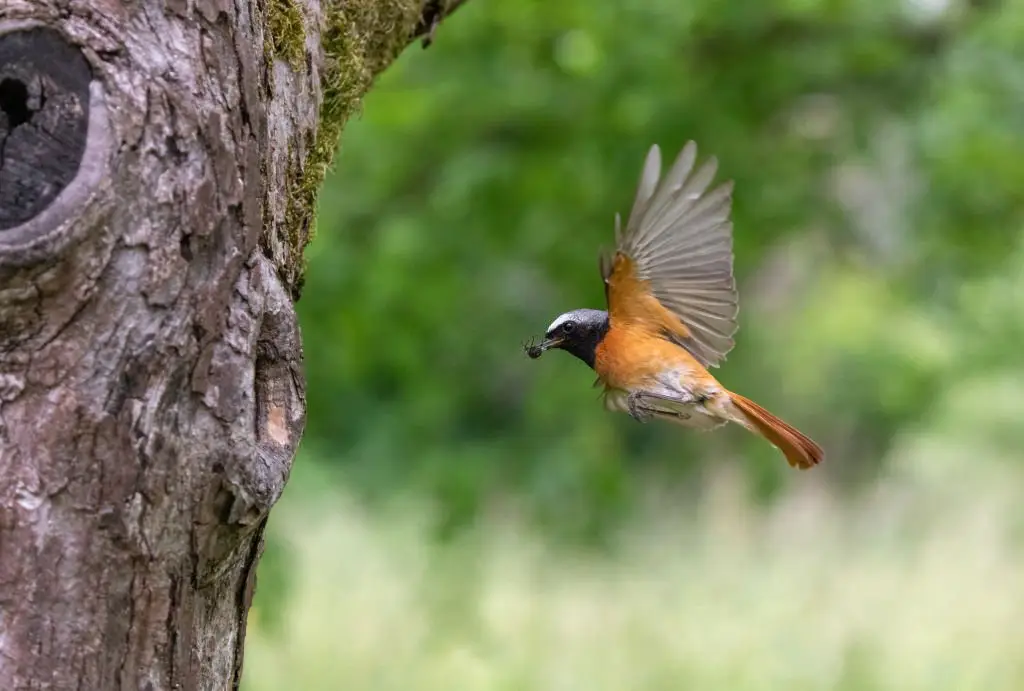
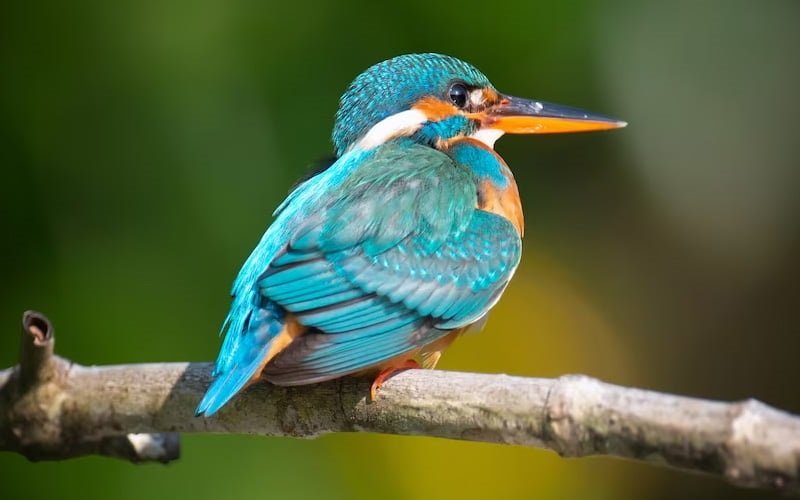
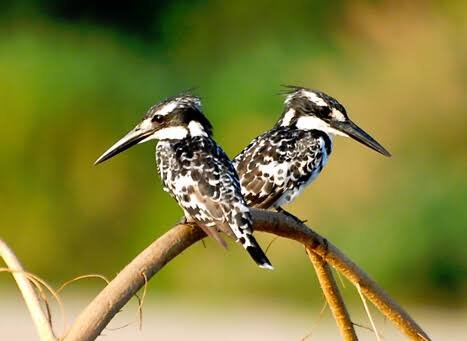
On this page
Why Jim Corbett Is One of India's Best Birding Destinations
Jim Corbett National Park sits where the Shivalik foothills meet the Terai plains, and that mix of habitats is what makes bird watching in Jim Corbett so rewarding. In one morning drive you can move from dense sal forest to open chaur grasslands, riverine scrub, wide shingle riverbeds and the edge of the Kalagarh reservoir on the Ramganga.
Corbett Tiger Reserve officials put the bird list at more than 500 species, and the reserve's Key Biodiversity Area factsheet reports over 580, including 51 of the subcontinent's 69 diurnal raptors and 13 Near Threatened species.
Best Birdwatching Zones in Jim Corbett
For birdwatching in Jim Corbett National Park, each zone has a different habitat, so the birds change as you move around the park. We plan your birding tour around the species you most want to see and the dates you can travel.
| Zone / spot | Habitat | Birds to look for | How you bird |
|---|---|---|---|
| Dhikala | Ramganga river, grasslands, reservoir edge | Pallas's and Lesser Fish Eagles, Collared Falconet, grassland chats, pipits | Canter, or jeep with Forest Rest House stay |
| Bijrani | Sal forest, grassland, streams | Hornbills, woodpeckers, barbets, green pigeons, eagles | Jeep safari |
| Jhirna | Mixed forest and grassland | Forest birds, raptors, grassland species | Jeep; usually open all year |
| Dhela | Grassland, scrub, forest edge | Edge and grassland species, raptors, winter birds | Jeep; usually open all year |
| Durga Devi | Hill forest on the Ramganga and Mandal | Hill-forest birds, kingfishers, forktails | Jeep, mid-Nov to mid-June |
| Sitabani & Pawalgarh | Buffer forest and streams | Woodpeckers incl. Great Slaty Woodpecker, forest songbirds | Jeep drives in the buffer |
| Kosi river (Garjiya–Mohan) | Stony riverbed outside the core | Ibisbill, Wallcreeper, Brown Dipper, redstarts, Crested Kingfisher | Guided walk, early morning |
Birds of Jim Corbett You Can Look For
You will not see 500 species on one trip, but a few well-planned safaris across different habitats show you a wide variety. These are the bird groups our guests ask about most.
Kingfishers & river birds
Pied, Common, White-throated and Crested Kingfishers hunt along the Ramganga and Kosi, with River Lapwing, cormorants and storks on the banks.
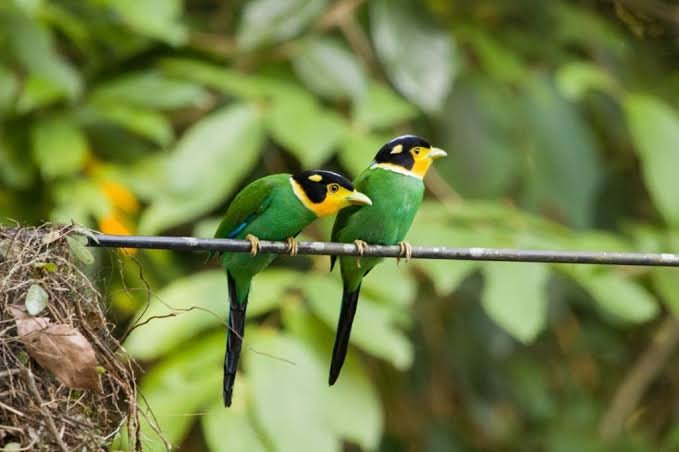
Bee-eaters, rollers & barbets
Bee-eaters and Indian Roller are easy to enjoy on any drive, while barbets call constantly from the canopy.
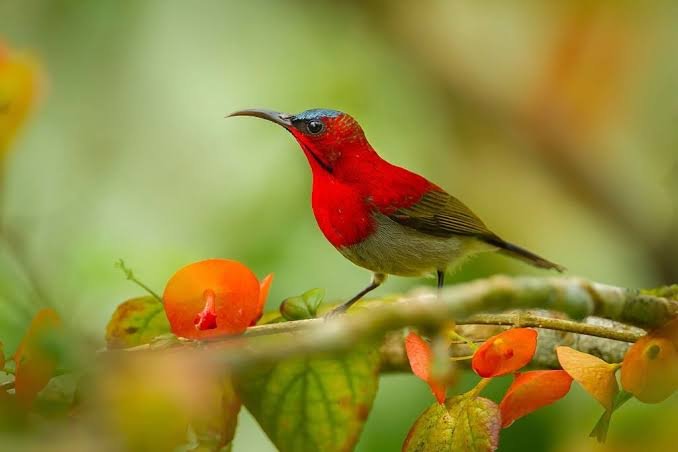
Songbirds & flycatchers
Minivets, flycatchers, warblers and babblers form mixed flocks in the sal forest on cool winter mornings.
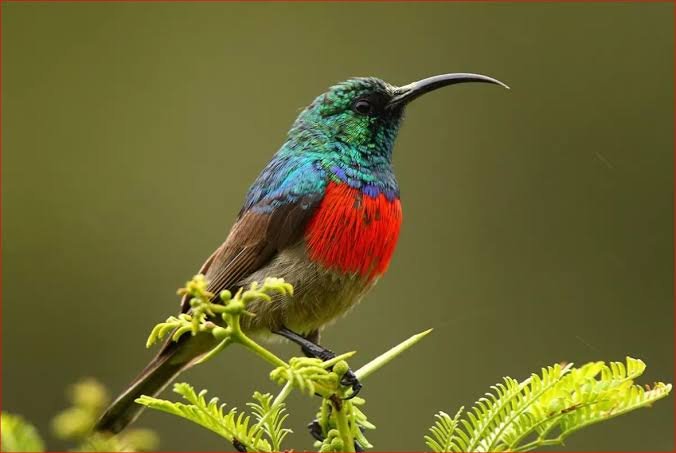
Sunbirds & small birds
Sunbirds, white-eyes and tits visit flowering trees and shrubs, rewarding patient birders and photographers.
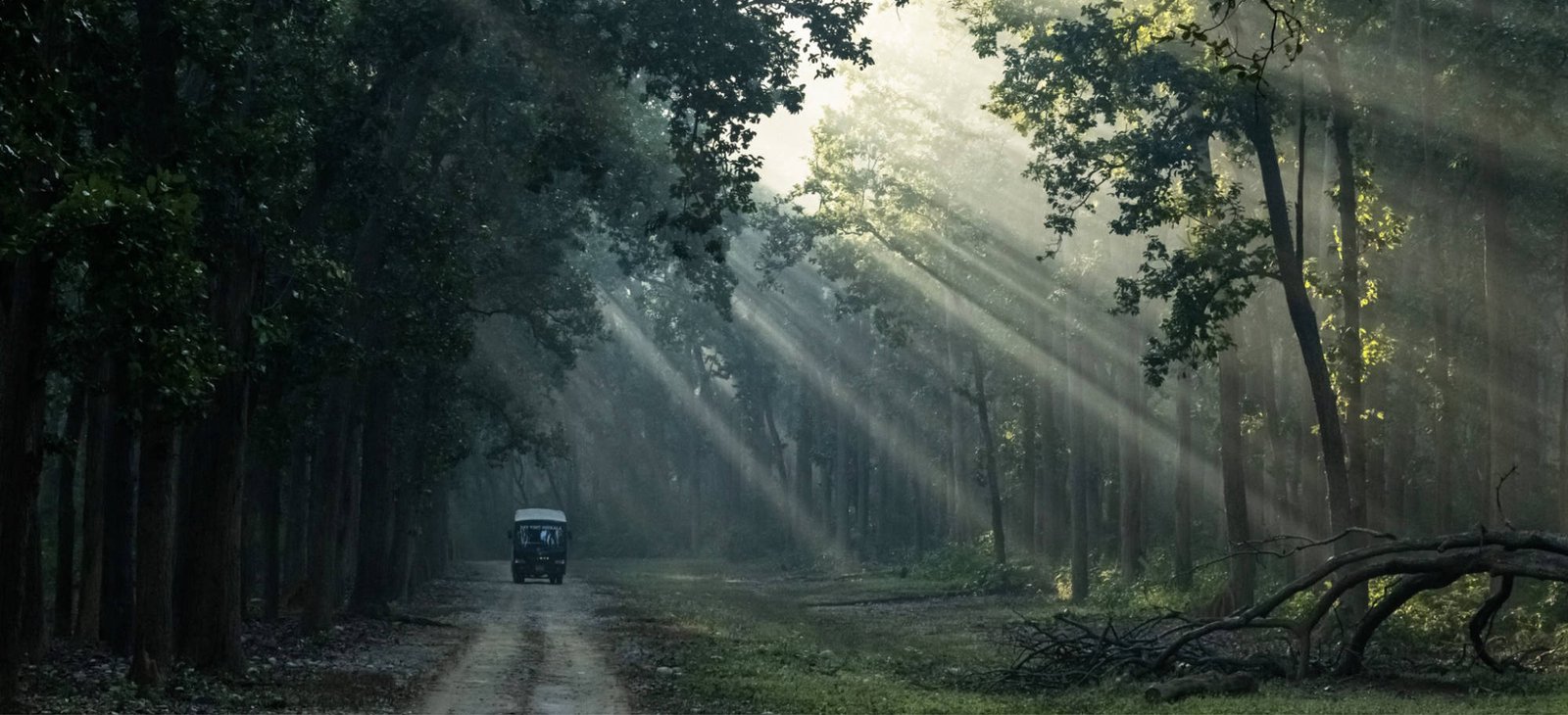
Raptors
Crested Serpent Eagle, Changeable Hawk-Eagle, Pallas's and Lesser Fish Eagles, Collared Falconet and several vultures.
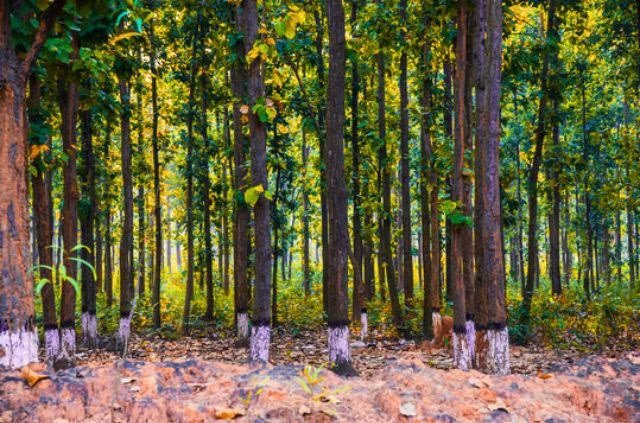
Hornbills & woodpeckers
Great, Oriental Pied and Indian Grey Hornbills in older forest; the buffer is known for woodpeckers, including Great Slaty Woodpecker.
Best Time for Birdwatching in Jim Corbett National Park
The best time for birdwatching in Jim Corbett National Park is December to March. Here is how birding changes through the year.
- Mid-Oct – Nov
Season opens
Bijrani opens in mid-October and Dhikala in mid-November. Early migrants arrive and forest birds are active after the rains.
- Dec – Mar
Peak birding (best)
Resident birds plus winter migrants, including Ibisbill and Wallcreeper on the Kosi. Cold, sometimes foggy mornings.
- Apr – Jun
Breeding season
Hot and dry, with breeding plumage, nesting activity and summer visitors; birds gather near water.
- Jul – mid-Oct
Monsoon
Most core zones close. Jhirna, Dhela and the Sitabani buffer usually stay open, weather permitting.
How a Birding Safari in Jim Corbett Works
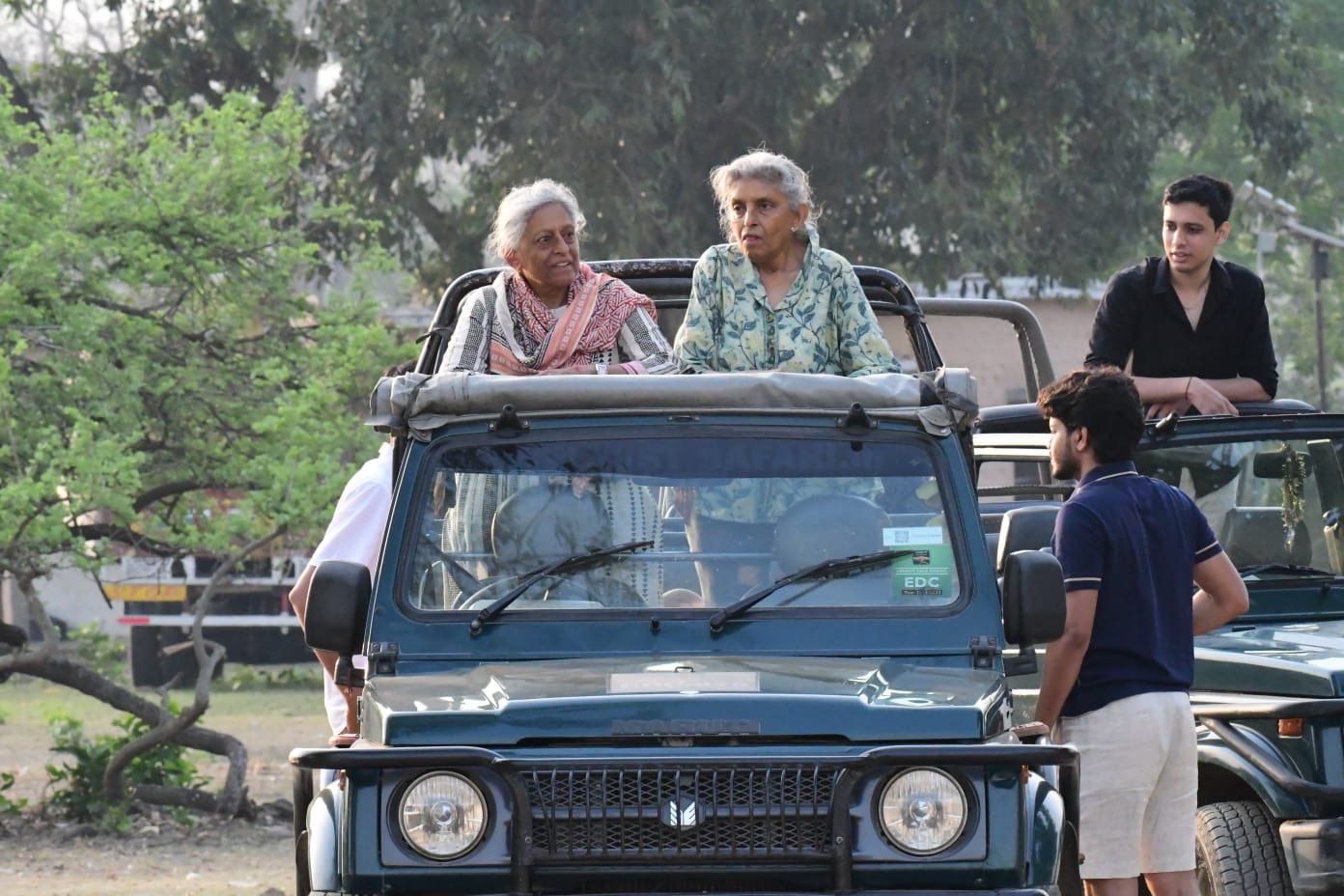
Birdwatching inside Jim Corbett National Park is done from a registered safari vehicle with a forest guide on board. A private jeep (up to six adults) suits birders best because you set the pace and can wait at a mixed flock or a perched raptor. The canter is a shared vehicle used for Dhikala and works for budget trips.
Safari permits are booked through the official Corbett Tiger Reserve system in each traveller's name, for a specific zone and shift. Morning shifts are usually the most productive for birds.
Important: walking is not allowed inside the tourism zones; you can step out only inside Forest Rest House compounds. Birding on foot is possible outside the core, such as along the Kosi river near Garjiya, subject to local rules and with a guide.
How We Plan Your Jim Corbett Birding Tour
Corbett Package Tour is based on NH-309 in Dhikuli, minutes from the Kosi river and the park's Ramnagar-side gates. We build birding trips around habitats rather than whichever permit is free.
- Share your wish list. Tell us your dates, group size and the birds you most want to see.
- Get a zone mix. We combine habitats, such as Dhikala grassland, Bijrani forest and a Kosi river morning.
- Permits and private jeep. We book official permits and a private jeep with the forest guide required by park rules.
- Stay close to the gates. Stays in Dhikuli and Ramnagar, or a Forest Rest House when available, for early starts.
Birdwatching Tips and What to Carry
Birding etiquette: keep voices low, never use call playback inside the reserve, do not disturb nests, and keep a respectful distance from roosting birds.
Birdwatching in Jim Corbett: FAQs
How many bird species are found in Jim Corbett National Park?
What is the best time for birdwatching in Jim Corbett?
Can you walk for birdwatching inside Jim Corbett National Park?
Which zone is best for birdwatching in Jim Corbett?
Can I see the Ibisbill in Jim Corbett?
Is a jeep or canter safari better for birdwatching in Corbett?
What should I carry for a birding safari in Jim Corbett?
How many safaris do I need for birdwatching in Jim Corbett?
Sources: Corbett Tiger Reserve KBA factsheet; Corbett Tiger Reserve officials. Corbett Package Tour is a private travel agency, not the official Corbett Tiger Reserve website.

A local travel agency on NH-309, Dhikuli, Ramnagar, arranging Jim Corbett safaris, birding and wildlife trips since 2010. About us
From our birding trips
Birds of Jim Corbett: Photo Gallery
Plan your birding trip
Plan Your Birdwatching Tour in Jim Corbett
Planning birdwatching in Jim Corbett National Park? Tell us your dates and the birds on your wish list. We will suggest the right zones, book your permits and arrange your stay from our base in Dhikuli, Ramnagar.